
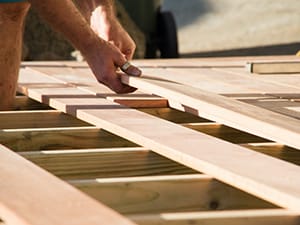
Planning a new deck in Buda, TX involves more than choosing a design and materials. Homeowners also need to consider project scope, site conditions, material costs, and construction requirements before work begins. An experienced deck contractor can help evaluate these details and create a practical plan that aligns with the project goals and budget.
Ambassador Construction handles deck projects for homeowners in Buda, TX. Call 737-268-7305 to discuss your plans with an experienced deck contractor.
Careful planning can help identify potential changes early, establish a more accurate budget, and create a smoother construction process from the initial design through project completion.
How a Deck Contractor Helps Establish a Realistic Budget
A deck contractor begins the budgeting process by reviewing the entire project. Deck size, layout, height, structural requirements, stairs, railings, access, and additional features can all affect labor and material needs. Discussing these details early gives homeowners a clearer understanding of how design decisions influence the overall scope and cost.
Property conditions can also affect the budget. Site access, the condition of the installation area, and any preparation required before construction can add to the work involved. Evaluating these factors allows the contractor to develop a more complete project scope rather than estimating costs based only on the deck’s size.
With a clear scope established, homeowners can more easily compare options and prioritize their budget. Essential features can be identified first, while materials, design details, or other elements may be adjusted to keep the project within the desired price range.
Cost Drivers to Discuss With Your Contractor

Material selection is one of the major decisions a homeowner makes with a deck contractor. Wood, pressure-treated decking, cedar, hardwood, and composite materials can differ in material requirements, installation considerations, and long-term maintenance needs. A contractor can explain the practical differences between these options so the homeowner can select a material that fits both the desired appearance and project priorities.
Design complexity can also affect the scope. A simple rectangular deck may involve fewer construction considerations than a design with multiple levels, unusual angles, extensive stairs, built-in features, or additional structural elements. During the planning stage, a contractor can explain how these choices affect labor and materials.
Features such as railings, stairs, lighting provisions, seating areas, or other additions should also be discussed before construction begins. Including them in the initial scope gives the homeowner a clearer picture of the work rather than treating them as afterthoughts.
How Contractors Help Homeowners Control Project Scope
Working with a contractor gives homeowners an opportunity to prioritize the parts of the deck that matter most. If the project has a fixed budget, the conversation can focus on which features should remain part of the initial build and which could be simplified, postponed, or removed.
For example, a homeowner may prioritize deck size and durable decking material while choosing a simpler layout. Another homeowner may prefer a more detailed design but reduce optional features. The right decision depends on how the space will be used and which improvements provide the most value to the homeowner.
A contractor can also help identify decisions that should be made before work starts. Material choices, dimensions, stairs, railings, and other scope details can affect ordering and construction. Settling these choices early can make the project easier to manage and reduce the likelihood of unexpected changes.
Why Deck Contractor Communication Matters During Construction
Even with careful planning, a deck project’s scope can change after construction begins. Existing conditions may become clearer once an area is opened or prepared, or a homeowner may decide to modify a feature during the build. Changes can affect labor, materials, sequencing, and the overall budget.
Clear communication between the homeowner and contractor is therefore an important part of project management. When a change is proposed, homeowners should understand what is changing and how that change affects the scope before deciding to proceed.
A qualified contractor can help keep the project organized by communicating about construction decisions as they arise. This gives homeowners a better opportunity to make informed choices instead of making decisions without understanding their effect on the work.
Work With a Qualified Local Deck Contractor
Choosing a qualified deck contractor gives homeowners a knowledgeable partner throughout the planning and construction process. From defining the project scope to evaluating materials and design choices, an experienced contractor can help keep the project aligned with the homeowner’s goals and budget.
Ambassador Construction manages deck projects for homeowners in Buda, TX. Call 737-268-7305 today to discuss your plans with an experienced deck contractor.
Working with the right contractor can make the planning and construction process easier to manage while helping ensure the finished deck reflects the intended design, budget, and long-term needs of the property.
FAQ
What should I discuss with a deck contractor before signing a project agreement?
Ask about the planned scope, materials, design features, site preparation, construction process, and how changes will be handled. It is also useful to confirm what work is included in the agreed scope so there is a shared understanding of the project before construction begins.
How can I compare different decking materials with a contractor?
Ask the contractor to explain the practical differences in appearance, maintenance, durability, installation considerations, and overall suitability for your project. Comparing materials based on how you plan to use and maintain the deck can make the selection process more useful than choosing based on appearance alone.
When should I tell my contractor about changes I want to make?
Raise potential changes as early as possible. Changes discussed during planning are generally easier to evaluate than changes introduced after construction has started. Your contractor can explain how a proposed modification affects the project scope and help you decide whether it fits your priorities.