Ambassador Construction Blog

Residential construction guidance, project planning insights, and outdoor living ideas for homeowners throughout Austin and Central Texas.

Shops and Garages in Bastrop, TX: Building Your Project Brief

Ambassador Construction designs and builds shops and garages for homeowners in Bastrop, TX, and across Central Texas. Before comparing builders, start by defining what the structure needs to do, how it will fit the property, and which items must be included in the written scope.

For early planning, review Ambassador Construction’s design services and new construction services. These pages explain how project ideas, site conditions, dimensions, and construction details are developed before building begins.

Start With a Garage Project Brief

A shop or garage can mean anything from a straightforward storage structure to a larger space for vehicles, equipment, or workshop use. Before requesting a bid, put together a project brief that covers the decisions most likely to affect design and pricing:

  • Garage or shop type: Describe the structure you have in mind, such as attached, detached, or dedicated storage, without assuming the builder offers every possible configuration.
  • Intended use: Explain whether the space will mainly store vehicles, house equipment, provide general storage, or support workshop activities.
  • Dimensions and clearances: Note the footprint you expect and the door, vehicle, equipment, and interior clearances you actually need.
  • Connection to the home: State whether you want the structure attached to an existing building or planned as a standalone structure.
  • Site access: Consider how vehicles, equipment, deliveries, and construction crews will reach the building area.
  • Door requirements: Identify the number of doors, approximate sizes, and the access each opening needs to provide.
  • Utilities: List electrical service, lighting, plumbing, HVAC, or other utilities you want considered, then ask which items are included in the builder’s scope and which require separate coordination.
  • Written exclusions: Ask the builder to state what is not included so both sides are working from the same expectations.

Connect the Brief to the Design

The project brief gives your contractor a starting point for turning the idea into a practical design. Dimensions, door locations, access, site conditions, intended use, and the relationship to other structures can all affect the final plan. Ambassador Construction also provides wood framing services for shops and other new construction, which can help keep structural planning connected to the broader construction scope.

Plan for Structure, Foundation, and Permits

A shop or garage also needs site-specific structural and foundation planning. Ask what information the contractor needs about the property, what foundation approach is being proposed, and whether additional professional review is required for the planned structure. Permit requirements can vary by project and jurisdiction, so confirm the applicable process before construction begins rather than assuming one rule applies to every garage.

Define What the Quote Includes

A useful quote should do more than provide one total price. It should connect the price to the agreed project brief and identify major inclusions, exclusions, assumptions, and any items that still need confirmation. If a specialty trade or utility is important to the project, ask whether it is included in the builder’s scope or must be coordinated separately.

This is also the time to compare proposals carefully. Two builders may price different scopes even when both quotes use the same general description. Check whether the dimensions, doors, foundation work, site preparation, utilities, finishes, access needs, and cleanup responsibilities are described consistently before comparing totals.

Why the Planning Details Matter

Clarifying these points before construction helps reduce avoidable changes later. It also gives the builder a more complete picture of what you expect from the finished shop or garage. Ambassador Construction emphasizes personalized planning and open communication, so bring your project brief to the first conversation and use it to confirm what can be included in the proposed scope.

Contact Ambassador Construction

When you are ready to plan a shop or garage in Bastrop, TX, contact Ambassador Construction at 737-268-7305 to discuss the structure, site, intended use, and next planning steps.

Frequently Asked Questions

Do I need a permit for a new shop or garage?

Permit requirements depend on the location and project scope. Confirm the applicable requirements with the local authority and your contractor before construction begins.

What garage types does Ambassador Construction build?

Garage type is not confirmed in the current client materials. Describe the attached, detached, storage, or other configuration you want and ask Ambassador Construction to confirm whether it fits the proposed scope.

How do I know what is included in my garage quote?

Ask for a written scope that lists the work included, major assumptions, exclusions, and how any changes will be approved before additional work begins.

Deck Contractors in Bastrop, TX: What to Settle Before You Compare Bids

Before comparing deck contractors in Bastrop, TX, settle the basic decisions that will shape every proposal. A clear plan for how you will use the deck, where it will connect to the home, what materials you prefer, and how the site handles drainage makes it easier to compare bids on the same scope. Ambassador Construction is a design-build general contractor serving Central Texas. Call 737-268-7305 to discuss a deck project in Bastrop.

Start With a Deck Planning Worksheet

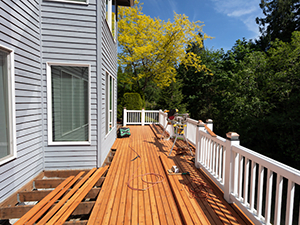
Deck project planning in Bastrop, TX

Homeowners often get very different proposals because contractors are pricing different assumptions. Before asking for estimates, write down the choices that matter most to the project.

  • Intended use: Decide whether the space is mainly for dining, lounging, grilling, entertaining, or a mix of activities.
  • Access: Identify the doors, walkways, yard areas, or other spaces the deck should connect.
  • Dimensions: Set an approximate footprint based on furniture, circulation space, property layout, and the way the deck will be used.
  • Attached or freestanding: Ask whether tying the deck into the home or using a freestanding layout makes more sense for the site and design.
  • Drainage: Note where water currently moves or collects so the finished deck does not interfere with drainage around the home.
  • Railing needs: Discuss elevation changes, stairs, safety needs, and the appearance you want before the railing is treated as an afterthought.
  • Maintenance preferences: Decide how much cleaning, staining, sealing, or other routine upkeep you are comfortable handling.

Ambassador Construction’s Decks & Patio Covers service page describes its custom deck work and current material options, including composite, wood, pressure-treated wood, hardwood, and cedar.

Confirm the Site and Structural Approach Before Comparing Bids

A deck design needs to fit both the homeowner’s goals and the property itself. Before construction, the contractor should evaluate the proposed location, existing home connection, grade, access, and other site conditions that can affect the structure. If an existing porch, landing, or deck is being reused, its condition also needs to be considered rather than assumed.

Structural decisions should come from the actual project, not a generic deck detail. The contractor should explain the planned framing approach and identify when professional engineering or another specialist review is needed for the design. That is especially important when the project involves unusual spans, difficult grade changes, heavy features, or connections to an existing structure.

Verify Permits for the Specific Deck Project

Permit and inspection requirements can depend on the project scope and jurisdiction, so they should be verified for the specific property before work begins. Ask who will determine which permits apply, who will submit them, and whether required inspections are included in the contractor’s scope.

Ambassador Construction’s design process describes site assessment, design development, construction documents, and local permit procedures as parts of project planning. Homeowners should still make sure the proposal clearly assigns responsibility for those steps rather than assuming every quote includes them.

Compare Complete Deck Contractor Proposals

Completed residential deck project

Once the planning worksheet is settled, compare proposals line by line instead of comparing only the total price. A useful bid should identify the agreed dimensions, site preparation, demolition if needed, framing, decking material, railing, stairs, finish details, cleanup, and important exclusions. It should also explain how changes will be priced and approved if site conditions differ from the original assumptions.

Material names alone do not make bids comparable. Confirm the specific deck material being proposed and what maintenance it will require. Composite and different wood options can have different appearance, upkeep, and project-cost implications. The best choice depends on the homeowner’s priorities rather than a universal claim that one material is right for every deck.

Ask About Schedule and Project Coordination

Project timing depends on the final scope, design decisions, permitting, material availability, weather, and site conditions. Ask for a project-specific schedule after those details are settled and confirm how updates will be communicated if the sequence changes.

If the deck is part of a larger renovation or addition, bring that up during planning. Ambassador Construction’s remodels and additions process shows how design, bidding, engineering, permits, construction, and inspections can be coordinated as part of a broader project.

Choose Deck Contractors in Bastrop With a Comparable Scope

The strongest proposal is the one that clearly answers the same set of project questions as the competing bids. Settle the intended use, layout, access, drainage, railing, maintenance preferences, structural approach, permits, materials, and exclusions before choosing based on price. For a deck project in Bastrop, TX, call Ambassador Construction at 737-268-7305 to discuss the site and project goals.

Frequently Asked Questions

What should I decide before asking deck contractors for bids?

Settle the intended use, approximate dimensions, access, attached versus freestanding preference, drainage concerns, railing needs, and maintenance preferences so contractors can price the same basic scope.

How should I compare composite and wood deck proposals?

Compare the specific material, appearance, maintenance expectations, framing and installation scope, and total included work rather than judging the proposals by material name alone.

Who should verify whether a deck permit is required?

Confirm with the contractor who will verify local requirements and who is responsible for permit applications and inspections for the specific property and scope.

Home Remodeling Buda, TX

home paint - Home Remodeling Buda, TX

Starting a home remodeling project in Buda involves more than choosing finishes or deciding which rooms to update. Defining the scope, work sequence, and household needs before construction begins helps the project proceed smoothly. A contractor who explains these decisions early can help homeowners prepare for each stage of home remodeling in Buda, TX.

Call Ambassador Construction at 737-268-7305 for home remodeling in Buda, TX.

Planning a Successful Home Remodeling Project

Upfront planning helps homeowners and contractors agree on the work, anticipate disruptions, and reduce avoidable changes during construction.

Planning Before Construction Begins

indoor remodel - Home Remodeling Buda, TX

Planning covers the scope of the project, the order of work, and the decisions needed before materials are ordered. Settling these details early helps reduce mid-project changes that can delay work and create frustration.

Planning should also address daily life during construction. Discuss which rooms will remain accessible, how routines may change, and how long each phase is expected to take. Clear answers help the household prepare for the work.

Defining Scope Before Work Begins

Define the remodeling scope as precisely as possible. Goals such as making a home feel more open or functional are useful starting points, but they need to become specific changes. An agreed scope gives both the homeowner and contractor a clear basis for planning and tracking the work.

Scope also affects the sequence of construction. In a whole-home or multiroom remodel, structural and mechanical work generally precedes finishing walls and installing final surfaces. The contractor should explain the proposed sequence so homeowners understand how each phase prepares the space for the next.

Managing Disruption During a Home Remodeling Project

Even well-planned remodeling projects disrupt daily life while they are underway. Dust, noise, limited access to certain rooms, and temporary changes to routines are a normal part of most projects. Homeowners who know this in advance can plan for it; homeowners who are caught off guard tend to find the experience far more stressful.

Discuss how the contractor will protect areas outside the work zone and communicate the upcoming schedule. Advance notice of noise, dust, and restricted access helps the household adapt, even when disruption cannot be eliminated.

Communication Through the Construction Phase

During construction, regular communication keeps homeowners informed about progress, upcoming decisions, and changes to the schedule. Agree on how updates will be shared and how questions will be answered.

Hidden conditions sometimes differ from what the initial inspection revealed, requiring changes to the scope or sequence. The contractor should explain the discovery, its effect on the project, and the available options before proceeding with a change. This gives homeowners a clear role in the decision.

Home Remodeling in Buda

Careful planning supports smoother construction. A clear scope, a practical sequence, and consistent communication help homeowners manage both the work and its effect on daily life.

For home remodeling in Buda, TX, contact Ambassador Construction at 737-268-7305 today.

FAQ

How detailed should a remodeling plan be before construction starts?
The plan should identify the changes, the expected sequence of work, and the decisions needed before each phase begins. It should also explain how construction will affect access to rooms and daily routines. Resolving these details early reduces decisions made under pressure.

How should homeowners prepare for remodeling?
Clear furniture and personal items from the work area, plan temporary routines for affected rooms, and confirm how the contractor will share updates. Discussing the first week’s schedule helps the household prepare for construction.

How are unexpected discoveries handled during remodeling?
Conditions behind walls or under floors may differ from what was visible during the initial walkthrough. The contractor should explain the discovery, describe its effect on the scope and schedule, and discuss options with the homeowner before proceeding with changes.

Deck Installation: Planning Through Project Closeout

Professional deck installation by Ambassador Construction

A professional deck installation starts well before framing begins. Homeowners get a clearer project when they settle how the deck will be used, how it should connect to the home, which materials fit their maintenance preferences, and which site conditions need to be addressed before comparing designs and proposals. Ambassador Construction builds custom decks in Central Texas and can be reached at 737-268-7305.

A well-designed deck can extend everyday living space outdoors and complement the home without relying on a guaranteed property-value claim. Ambassador Construction’s confirmed deck materials include composite, wood, pressure-treated wood, hardwood, and cedar.

Set the Project Priorities Before Comparing Designs

Start by deciding what the finished deck needs to do. A planning worksheet can help the homeowner and contractor work from the same expectations instead of comparing drawings that solve different problems.

  • Intended use: Decide whether the deck is mainly for dining, lounging, grilling, entertaining, or a mix of uses.
  • Access: Identify how the deck should connect with existing doors, walkways, and the yard.
  • Footprint: Consider the amount of outdoor space the deck should occupy and how that affects circulation around the property.
  • Attached or freestanding: Ask which arrangement suits the site and proposed design rather than assuming one approach fits every home.
  • Drainage: Note how water currently moves through the area so the design can account for site conditions.
  • Railing and stairs: Decide what access and edge-protection features the design may need, subject to project-specific requirements.
  • Maintenance: Compare the upkeep expectations of the approved material options before selecting the deck surface.

Approve the Design and Scope Before Construction

Deck design and layout planning

The design should turn those priorities into a defined layout, material selection, railing and stair plan when applicable, and a written scope the homeowner can review before work starts. The proposal should make clear what is included rather than relying only on a rough square-foot figure or a general promise to build a custom deck.

Ask for assumptions and exclusions to be stated in writing. If demolition, landscaping protection, utility coordination, electrical work, special finishes, or another item falls outside the deck scope, the homeowner should know that before approving the project.

Confirm Site, Structural, and Permit Requirements

Deck projects can involve site preparation, foundation or footing work, connections to an existing structure, and local permit or inspection requirements. Those details vary by design and jurisdiction. Before construction, the project team should identify which site conditions, structural design requirements, utility checks, permits, or inspections apply to the approved project and who is responsible for each item.

Do not assume that a detail from another deck project automatically applies to this one. If the proposed deck requires engineering or other specialized review, that need should be resolved as part of the approved project scope.

Prepare the Site and Protect the Work Area

Site preparation may include clearing the work area, locating utilities before digging, planning material access, and protecting nearby landscaping or surfaces that will remain. The exact preparation should follow the approved design and site conditions.

Homeowners should also ask how materials will be staged, how access to the home or yard may be affected, and how the contractor will communicate any site condition that changes the planned work.

Understand the Construction Sequence

Deck construction commonly progresses from foundation or footing work to framing, decking, railings or stairs, and finishing details, but the sequence can vary by design and site conditions. Ask the contractor to explain the planned sequence for this project and how weather, inspections, material availability, or approved scope changes could affect it.

The agreement should also explain how changes are handled. If an unexpected site condition or homeowner-requested revision changes the scope, the added work, cost, and schedule effect should be documented and approved before the project moves forward.

Finish With a Documented Closeout

Closeout should be more than the day construction stops. Walk the completed deck with the contractor and identify any remaining punch-list items. Confirm cleanup and debris removal, review approved changes, and verify any required project inspections or closeout steps that were part of the agreement.

Keep the final design or scope, change records, applicable inspection documentation, and written material or workmanship warranty information with the property records. Warranty responsibilities and exclusions should come from the actual written documents rather than a general promise about how long every deck will last.

Planning a Deck Installation in Central Texas

The strongest time to settle deck decisions is before construction begins. Clarifying use, layout, access, materials, site conditions, scope, responsibilities, and closeout expectations gives the homeowner a better basis for approving a design and understanding the proposal.

Contact Ambassador Construction at 737-268-7305 to discuss a deck installation project in Central Texas.

Frequently Asked Questions

What should I decide before comparing deck designs?

Set priorities for use, access, footprint, materials, maintenance, stairs or railings, drainage, and how the deck should relate to the home and yard.

Do deck projects always require the same permits or structural details?

No. Requirements vary by project and jurisdiction, so confirm the applicable permit, inspection, and structural-review responsibilities for the approved design.

What should I receive at deck project closeout?

Confirm the completed scope, punch-list resolution, cleanup, approved changes, required inspection documentation, and the written warranty information that applies to the project.

Deck Contractor Buda, TX

deck building - Deck Contractor Buda, TX

Planning a new deck in Buda, TX involves more than choosing a design and materials. Homeowners also need to consider project scope, site conditions, material costs, and construction requirements before work begins. An experienced deck contractor can help evaluate these details and create a practical plan that aligns with the project goals and budget.

Ambassador Construction handles deck projects for homeowners in Buda, TX. Call 737-268-7305 to discuss your plans with an experienced deck contractor.

Careful planning can help identify potential changes early, establish a more accurate budget, and create a smoother construction process from the initial design through project completion.

How a Deck Contractor Helps Establish a Realistic Budget

A deck contractor begins the budgeting process by reviewing the entire project. Deck size, layout, height, structural requirements, stairs, railings, access, and additional features can all affect labor and material needs. Discussing these details early gives homeowners a clearer understanding of how design decisions influence the overall scope and cost.

Property conditions can also affect the budget. Site access, the condition of the installation area, and any preparation required before construction can add to the work involved. Evaluating these factors allows the contractor to develop a more complete project scope rather than estimating costs based only on the deck’s size.

With a clear scope established, homeowners can more easily compare options and prioritize their budget. Essential features can be identified first, while materials, design details, or other elements may be adjusted to keep the project within the desired price range.

Cost Drivers to Discuss With Your Contractor

deck fixing - Deck Contractor Buda, TX

Material selection is one of the major decisions a homeowner makes with a deck contractor. Wood, pressure-treated decking, cedar, hardwood, and composite materials can differ in material requirements, installation considerations, and long-term maintenance needs. A contractor can explain the practical differences between these options so the homeowner can select a material that fits both the desired appearance and project priorities.

Design complexity can also affect the scope. A simple rectangular deck may involve fewer construction considerations than a design with multiple levels, unusual angles, extensive stairs, built-in features, or additional structural elements. During the planning stage, a contractor can explain how these choices affect labor and materials.

Features such as railings, stairs, lighting provisions, seating areas, or other additions should also be discussed before construction begins. Including them in the initial scope gives the homeowner a clearer picture of the work rather than treating them as afterthoughts.

How Contractors Help Homeowners Control Project Scope

Working with a contractor gives homeowners an opportunity to prioritize the parts of the deck that matter most. If the project has a fixed budget, the conversation can focus on which features should remain part of the initial build and which could be simplified, postponed, or removed.

For example, a homeowner may prioritize deck size and durable decking material while choosing a simpler layout. Another homeowner may prefer a more detailed design but reduce optional features. The right decision depends on how the space will be used and which improvements provide the most value to the homeowner.

A contractor can also help identify decisions that should be made before work starts. Material choices, dimensions, stairs, railings, and other scope details can affect ordering and construction. Settling these choices early can make the project easier to manage and reduce the likelihood of unexpected changes.

Why Deck Contractor Communication Matters During Construction

Even with careful planning, a deck project’s scope can change after construction begins. Existing conditions may become clearer once an area is opened or prepared, or a homeowner may decide to modify a feature during the build. Changes can affect labor, materials, sequencing, and the overall budget.

Clear communication between the homeowner and contractor is therefore an important part of project management. When a change is proposed, homeowners should understand what is changing and how that change affects the scope before deciding to proceed.

A qualified contractor can help keep the project organized by communicating about construction decisions as they arise. This gives homeowners a better opportunity to make informed choices instead of making decisions without understanding their effect on the work.

Work With a Qualified Local Deck Contractor

Choosing a qualified deck contractor gives homeowners a knowledgeable partner throughout the planning and construction process. From defining the project scope to evaluating materials and design choices, an experienced contractor can help keep the project aligned with the homeowner’s goals and budget.

Ambassador Construction manages deck projects for homeowners in Buda, TX. Call 737-268-7305 today to discuss your plans with an experienced deck contractor.

Working with the right contractor can make the planning and construction process easier to manage while helping ensure the finished deck reflects the intended design, budget, and long-term needs of the property.

FAQ

What should I discuss with a deck contractor before signing a project agreement?
Ask about the planned scope, materials, design features, site preparation, construction process, and how changes will be handled. It is also useful to confirm what work is included in the agreed scope so there is a shared understanding of the project before construction begins.

How can I compare different decking materials with a contractor?
Ask the contractor to explain the practical differences in appearance, maintenance, durability, installation considerations, and overall suitability for your project. Comparing materials based on how you plan to use and maintain the deck can make the selection process more useful than choosing based on appearance alone.

When should I tell my contractor about changes I want to make?
Raise potential changes as early as possible. Changes discussed during planning are generally easier to evaluate than changes introduced after construction has started. Your contractor can explain how a proposed modification affects the project scope and help you decide whether it fits your priorities.

Composite Deck Contractors: What to Ask Before You Hire

Composite Deck Contractors1

Planning a composite deck starts with more than choosing a color or board style. Homeowners should settle the intended use, access, approximate dimensions, drainage, railing needs, maintenance preferences, and whether the deck will attach to the home or stand independently before comparing contractor proposals. Ambassador Construction serves Central Texas and can be reached at 737-268-7305 to discuss a composite deck project.

What to Decide Before Comparing Composite Deck Proposals

A short planning worksheet gives each contractor the same starting point. That makes the proposals easier to compare and reduces the chance that one quote assumes a much simpler project than another.

  • Intended use: Will the deck mainly support dining, lounging, grilling, or larger gatherings?
  • Access: How should people move between the house, yard, and deck?
  • Dimensions: What approximate footprint fits the property and intended use?
  • Tie-in or freestanding: Should the deck attach to the home, or would a freestanding layout better fit the site and project goals?
  • Drainage: How does water currently move through the area, and could the deck affect that path?
  • Railing needs: What railing layout and style are being considered, subject to the requirements that apply to the project?
  • Maintenance preferences: How much routine cleaning and upkeep are you comfortable performing?

Composite Decking Has Product-Specific Trade-Offs

Composite decking is often chosen because it does not require the same staining or sealing routine as many wood decks. That does not make every composite product maintenance-free or identical. Cleaning recommendations, heat response, surface texture, fastening methods, expansion allowances, scratch resistance, and warranty terms can vary by product.

Ask the contractor which composite product and installation method are being proposed, how board movement will be accommodated, and what cleaning or care the written product instructions require. Avoid assuming that every composite board contains the same recycled content, has the same environmental profile, or will outlast every wood option.

Ask About Framing, Fastening, and Expansion Details

Composite Deck Contractors

The framing and fastening plan should match the selected decking and the project design. Ask how the contractor will handle joist spacing, board gaps, edge conditions, stair details, railing connections, and hidden or face-fastened attachment where applicable. These details should follow the selected product requirements and the project design rather than a generic rule used for every deck.

If the project changes an existing structure or connects a new deck to the home, ask what structural review is needed before construction. Do not assume an existing frame, ledger, foundation, or support layout is suitable without project-specific evaluation.

Permits and Local Requirements Should Be Confirmed

Permit and inspection requirements vary by project scope and jurisdiction. Before work begins, confirm which local requirements apply, who is responsible for permits or inspections when they are required, and whether any project detail still needs review by the appropriate local authority or design professional. This page does not assume one set of code dimensions applies across Central Texas.

Compare Complete Bids, Not Just the Bottom Line

A useful deck proposal should explain enough of the scope that two bids can be compared on the same basis. Ask each contractor to identify the deck layout, framing scope, decking material, fastening approach, railing scope, demolition or site preparation if applicable, exclusions, cleanup, schedule assumptions, and how changes will be approved.

If you are still deciding between a new deck and working with an existing structure, the custom deck design page covers new layouts, while the deck remodeling overview addresses projects that begin with an existing deck. Those are separate project paths and should not be treated as interchangeable scopes.

Review Warranty Terms Before Installation

Composite deck warranties can differ in covered conditions, exclusions, required installation methods, maintenance obligations, and claim procedures. Ask for the written warranty terms that apply to the exact product being proposed and ask the contractor to explain which responsibilities belong to the contractor versus the product provider. The written documents should control the comparison rather than a general warranty claim.

Planning a Composite Deck With Ambassador Construction

Ambassador Construction is a design-build general contractor working in Central Texas. That structure can help keep planning, material choices, and construction coordination connected as the project develops. The company works with composite decking and emphasizes personalized planning, quality craftsmanship, open communication, and dependable project management.

Contact Ambassador Construction at 737-268-7305 to discuss a composite deck project and the questions that should be settled before comparing proposals.

Frequently Asked Questions

What should I decide before asking for composite deck bids?

Settle the intended use, access, approximate dimensions, drainage, railing needs, maintenance preferences, and whether the deck should attach to the home or be freestanding.

Do composite decks require no maintenance?

No. Composite decking may require less routine upkeep than many wood options, but cleaning and care depend on the specific product and written instructions.

How should I compare composite deck warranties?

Compare the written terms for the exact product, including covered conditions, exclusions, installation requirements, maintenance obligations, and the claim process.

Deck Remodel Contractors: A Homeowner’s Planning Guide

Before comparing deck remodel contractors, homeowners should settle a few basic project decisions first. How the deck will be used, how large it should be, how it connects to the house, what materials fit the maintenance plan, and what must be included in the contractor’s proposal all affect the final design. Ambassador Construction has served Central Texas since 2008 and provides design-build construction for decks and other residential projects. Call 737-268-7305 to discuss a deck remodel.

What a Deck Remodel Should Accomplish

A deck remodel can range from updating decking and railings to changing the layout, rebuilding portions of the structure, or creating a substantially different outdoor living area. Before choosing a design, start by identifying what is not working about the current deck and what you want the remodeled space to do better.

If material selection is one of your main decisions, review Ambassador Construction’s information about composite deck construction. Homeowners who are still deciding between remodeling an existing deck and building a new one can also review the guide to professional deck installation.

Settle These Decisions Before Comparing Deck Designs

A short planning worksheet can make contractor proposals much easier to compare. Write down your preferences before requesting bids so each contractor is responding to the same basic project.

  • Intended use: Decide whether the deck is mainly for dining, grilling, relaxing, entertaining, or a combination of uses.
  • Size and layout: Consider the footprint that fits the property and whether the current dimensions still work.
  • Access: Note how people should move between the house, yard, and deck and whether those paths need to change.
  • Attached or freestanding design: Ask which approach fits the property and the planned remodel.
  • Drainage: Discuss how water moves around the existing deck area and how the new design will account for it.
  • Railings and features: Identify the railing style and other features you want included in the design discussion.
  • Maintenance preferences: Decide how much routine upkeep you are comfortable with before selecting a decking material.

Have the Existing Deck and Proposed Changes Reviewed

A remodel that changes the footprint, framing, or attachment of an existing deck may require more than a surface update. The contractor should review the existing structure and determine what can remain, what needs to be replaced, and whether the proposed design changes affect the construction scope.

Permit requirements should also be verified for the specific project and jurisdiction before construction begins. Requirements can vary by location and by the work being performed, so homeowners should not assume that a previous deck project or a neighbor’s project will follow the same process.

Compare Deck Remodel Contractor Proposals Side by Side

Once the project goals are clear, compare written proposals by scope rather than price alone. A useful proposal should make it possible to see whether contractors are bidding on the same work.

  • Existing-deck scope: What stays, what is removed, and what must be rebuilt?
  • Framing and structural work: What framing changes are included if the layout or dimensions change?
  • Decking and railing: Which materials and major components are included in the quoted scope?
  • Demolition and disposal: Does the proposal explain removal of existing materials and cleanup?
  • Permitting: Who is responsible for confirming and handling any required permits?
  • Exclusions: What work is specifically not included, and how will newly discovered conditions be handled?
  • Project sequence: What major phases are expected from demolition through finishing?

If two proposals describe different materials, demolition work, framing changes, or exclusions, the totals are not directly comparable. Ask the contractors to clarify those differences in writing before making a decision.

Choose Deck Materials Around Use and Maintenance

Ambassador Construction works with composite decking, wood decking, pressure-treated wood, hardwood, and cedar. These materials differ in appearance and maintenance needs, so material selection should follow the priorities established in the planning worksheet rather than being treated as a separate decision.

For example, a homeowner focused on reducing routine upkeep may weigh options differently from someone who strongly prefers the appearance and feel of a particular wood. The contractor can explain the materials being proposed and how they fit the design and intended use.

Working With Ambassador Construction

Ambassador Construction is a design-build general contractor serving Central Texas. Its confirmed deck work includes decks and railings, with material options that include composite and several types of wood decking. The company’s client messaging emphasizes personalized planning, quality craftsmanship, open communication, and dependable project management.

If you are planning a deck remodel, bring your goals, material preferences, and questions about the existing structure into the first conversation. A clearer starting point makes it easier to compare designs and proposals on the work that actually matters to your project. Call Ambassador Construction at 737-268-7305 to schedule a consultation.

Frequently Asked Questions

How do I know whether my existing deck can be remodeled?

A contractor should assess the existing structure and proposed changes before deciding what can remain and what needs to be rebuilt.

Do I need a permit for a deck remodel?

Permit requirements depend on the project and jurisdiction. Confirm the requirements with the appropriate local authority and your contractor before construction begins.

What should I compare in deck remodel proposals?

Compare the existing-deck scope, framing changes, materials, demolition, permitting responsibilities, exclusions, and project sequence so you can tell whether the bids cover the same work.

Deck Builder Buda, TX

deck construction - Deck Builder Buda, TX

Building a new deck involves more than choosing a shape and decking material. Homeowners in Buda, TX can benefit from working with an experienced deck builder who can turn ideas for an outdoor living area into a practical design while considering the property, materials, and how the finished deck will be used.

Ambassador Construction builds decks for homeowners in Buda, TX. Call 737-268-7305 to discuss your project with an experienced deck builder.

Thoughtful planning, proper site preparation, quality materials, and professional construction can create a functional outdoor area that complements the home and provides lasting value for years to come.

How a Deck Builder Turns Ideas Into a Plan

The building process begins with understanding how homeowners plan to use their new deck. Whether the goal is to create an area for relaxing, outdoor dining, entertaining, or a combination of activities, these priorities help guide decisions about the deck’s size, layout, access points, and features.

A builder also evaluates how the deck will connect with the existing home and surrounding yard. Door locations, available square footage, elevation changes, and existing property features can all shape the final design. Thoughtful planning helps create a natural transition between indoor and outdoor living areas.

Before construction begins, the property itself must also be evaluated. Site conditions can affect the deck’s location, structural requirements, and the preparation needed before building can begin. Addressing these factors early helps ensure the design is practical for both the property and the homeowner’s plans.

Building a Deck Around Family Activities

deck contractor - Deck Builder Buda, TX

A builder can help homeowners organize the deck around the activities they expect to enjoy most. A family that frequently eats outdoors may need sufficient room for a dining table and chairs, while homeowners who prefer casual gatherings may want more space for lounge seating and conversation.

Larger decks can be divided into functional areas through thoughtful planning rather than physical walls. A builder can develop a layout that gives dining, seating, and entertainment areas their own sense of purpose while maintaining an open flow throughout the deck.

Movement and access also influence construction decisions. Doors, stairs, furniture, and other features need to work together so the completed deck remains comfortable to use. Considering these details during the planning stage can reduce the likelihood of discovering layout problems after construction is complete.

Deck Builders Help Select the Right Materials

A deck builder can also help homeowners compare materials based on the intended use and desired appearance of the finished space. Available options for this project include composite, wood, pressure-treated wood, hardwood, and cedar decking.

Each material can contribute a different look and maintenance routine. Wood can provide a traditional appearance, while cedar and hardwood offer distinct natural characteristics. Pressure-treated wood is another option for outdoor construction, while composite decking provides an alternative material with different care requirements.

Material selection should happen alongside design planning. The decking surface needs to work visually with the home’s exterior, while railings, stairs, and other components should complement the overall design. A builder can help homeowners consider these elements as part of one project rather than making isolated decisions.

What the Builder Handles During Construction

Once the design and materials have been established, the builder coordinates the physical construction of the deck. This can include preparing the site, constructing the supporting structure, installing the decking, building stairs and railings, and completing the finishing details.

The builder’s role also involves keeping the different stages of the project organized. Good project management helps homeowners understand what is happening during construction and gives them an opportunity to communicate questions or concerns as the work progresses.

Craftsmanship affects the finished result. Accurate measurements, properly constructed support components, secure connections, and careful installation all contribute to a deck that functions as intended. Attention to finishing details can also help the completed structure feel like a natural part of the home and yard.

Ambassador Construction emphasizes personalized planning, quality craftsmanship, open communication, and dependable project management when working with homeowners on construction projects.

Build an Outdoor Space for Your Home

A new deck can change how a family uses and enjoys its yard, but creating the right design starts with choosing an experienced builder. From understanding the homeowner’s goals and evaluating the property to selecting materials and coordinating construction, a deck builder plays an important role throughout the entire project.

Ambassador Construction builds decks for homeowners in Buda, TX. Call 737-268-7305 today to discuss your ideas with an experienced deck builder.

Working with a qualified local contractor can help turn ideas into a practical construction plan while ensuring the finished deck complements the property, meets the family’s needs, and provides lasting value.

FAQ

What should I have ready before meeting with a deck builder?
It helps to have a general idea of how you want to use the deck, how many people you expect to accommodate, and any features you already have in mind. Photos or examples of outdoor spaces you like can also help communicate your preferences.

Does a deck builder help with the overall project design?
A builder can be involved in developing the practical aspects of the project, including layout, material selection, access, and construction details. Discussing these elements together can help align the desired appearance with what can be built on the property.

What factors can affect the cost of building a deck?
Project cost can vary based on factors such as the deck’s size and design, selected materials, site conditions, stairs, railings, and additional features. Discussing these elements during the planning stage can give homeowners a clearer understanding of what their project involves.

Home Remodeling Contractor Kyle, TX

home improvement - Home Remodeling Contractor Kyle, TX

A home remodeling project can involve several stages, decisions, and areas of coordination once construction begins. For homeowners in Kyle, TX, working with a qualified contractor can provide a clear process for managing communication, scheduling, material decisions, and changes throughout the project. A home remodeling contractor helps coordinate the work after the project begins, keeping homeowners informed while different construction tasks move forward.

Call Ambassador Construction at 737-268-7305 for home remodeling contractor services in Kyle, TX.

Home Remodeling Contractor Project Process

wood remodel - Home Remodeling Contractor Kyle, TX

Once remodeling work begins, the contractor typically becomes the main point of coordination between the homeowner and the people performing different parts of the project. Depending on the scope of the remodel, several trades may be involved, including carpenters, electricians, plumbers, and finish professionals. Their work needs to be organized in a logical sequence so that one stage does not unnecessarily interfere with another.

The contractor also helps translate the project plan into actual construction activities. Early work may involve preparing the space, removing existing materials, or completing structural changes. Later stages can include installation of systems, wall finishes, flooring, cabinetry, fixtures, and other finishing details. The exact sequence depends on the project, but coordination between stages remains important.

Homeowners should expect some disruption while construction is underway. A remodeling contractor can help establish how workers will access the work area and how household activities may be affected. Discussing these practical details before and during construction can make it easier for homeowners to plan around the work.

Communication With Your Remodeling Contractor

Regular communication gives homeowners an opportunity to understand what has been completed, what is currently underway, and what decisions may be approaching. The frequency of updates can vary depending on the project’s scope and activity, but homeowners should know how they will receive important information before construction starts.

A good communication process also gives homeowners a way to raise questions as work progresses. Construction can expose details that were not obvious during the initial planning stage. For example, existing conditions may become visible after walls or other materials are removed. The contractor can explain what has been discovered and discuss the available options before additional work proceeds.

Homeowners can also ask how decisions will be documented. Written records, updated selections, and other project documentation can help keep everyone working from the same information. Clear communication is particularly useful when multiple decisions need to be made during different phases of the remodel.

Decision-Making and Changes During a Remodel

Homeowners may need to make decisions after construction has already started. These decisions can involve finishes, fixtures, materials, layouts, or other project details. Having a defined process for presenting choices and confirming selections helps prevent confusion as work continues.

Changes can also occur after a remodeling project is underway. A homeowner may request a modification, or existing conditions may require an adjustment to the original plan. The contractor should explain how the change affects the scope of work and discuss any related considerations before the work is modified.

Timing can matter when making these decisions. Some choices may need to be finalized before a particular construction stage can continue. Prompt communication between the homeowner and contractor can help keep decisions aligned with the sequence of the project while reducing avoidable interruptions.

Coordinating the Remodeling Process from Start to Finish

A remodeling contractor’s project management responsibilities extend across the different stages of construction. Coordination involves keeping work organized, communicating relevant updates, and helping homeowners understand what is happening as the project progresses. This becomes particularly valuable when several types of work need to occur in a specific order.

Homeowners can support the process by communicating questions and decisions promptly, keeping track of agreed project details, and discussing concerns as they arise. Maintaining an open line of communication allows potential issues to be addressed while they are still manageable rather than allowing uncertainty to continue through later stages.

The final stages of a remodel also require coordination. Finishing work may involve completing details, addressing remaining items, and reviewing the completed areas. A clear process for discussing outstanding work gives homeowners and the contractor a shared understanding of what remains before the project is considered complete.

Working with a qualified local contractor gives homeowners a point of contact throughout the remodeling process. Clear communication, organized decision-making, and careful coordination can make the construction experience easier to understand and manage.

For home remodeling contractor services in Kyle, TX, contact Ambassador Construction at 737-268-7305 today.

FAQ

How often should homeowners expect updates from a remodeling contractor during a project?
There is no single update schedule that applies to every remodeling project. The appropriate frequency depends on the project’s scope, construction activity, and decisions that need homeowner input. Before work begins, homeowners should ask how updates will be provided and which types of developments will require direct communication.

What happens if a homeowner changes a material selection after construction begins?
The contractor can explain whether the change affects work that has already been completed or tasks that are scheduled next. A replacement selection may also affect other project details, depending on how the materials interact with the surrounding work. Discussing the change before making it allows the homeowner to understand its practical implications.

What should homeowners do if they notice a concern during construction?
Homeowners should raise the concern with the contractor rather than waiting until the project is further along. Early communication gives the contractor an opportunity to review the issue, explain what is happening, and determine whether any adjustment is appropriate. Keeping concerns part of the normal communication process can help maintain a clear understanding of the project.

Home Addition Contractor Kyle, TX

home renovation - Home Addition Contractor Kyle, TX

Adding a new room or expanding an existing part of a home involves many decisions, from defining the project scope to coordinating construction with everyday household needs. Choosing the right contractor can make the process easier to manage and help homeowners avoid communication gaps, scheduling problems, and unexpected complications. A qualified home addition contractor can help homeowners in Kyle, TX turn an addition plan into a coordinated construction project.

Call Ambassador Construction at 737-268-7305 for home addition contractor services in Kyle, TX.

Home Addition Contractor Selection Guide

The first step in choosing a contractor is evaluating relevant experience. Home additions involve connecting new construction to an existing structure, so the contractor should understand how the two portions of the home need to work together. Ask about previous addition projects that are similar in scope to yours and whether the contractor regularly manages residential remodeling and expansion work.

A contractor should also be able to explain how the project will be approached from the planning stage through completion. Homeowners can ask who will coordinate the different phases of work, how changes will be communicated, and who will be available when questions arise. Clear answers can provide a better understanding of how organized the contractor is before construction begins.

References and examples of previous work can provide another useful point of comparison. Rather than focusing only on finished photos, homeowners should consider whether a contractor demonstrates attention to workmanship, communication, scheduling, and project coordination.

Comparing Home Addition Contractors

home improvement - Home Addition Contractor Kyle, TX

Comparing contractors involves more than looking at an initial proposal. Homeowners should review what each proposal actually includes, such as the scope of work, materials, preparation, construction tasks, and other services associated with the addition. A proposal that clearly describes the work can make it easier to compare contractors on similar terms.

Communication is another major factor. During an addition, homeowners may need to make decisions about finishes, layouts, materials, or changes that arise during construction. Ask prospective contractors how they normally communicate updates and how decisions or changes are documented. A contractor who explains the communication process clearly is easier to evaluate before work starts.

Homeowners should also ask how the contractor handles coordination between different trades. An addition may involve several types of work, including framing, electrical, plumbing, insulation, drywall, and finish work. Effective coordination helps these activities progress in the appropriate sequence and reduces confusion about who is responsible for each stage.

Questions to Ask Before Hiring a Contractor

A direct conversation before signing an agreement can reveal how well a contractor understands the project. Ask what information is needed to develop the plan, how the scope will be documented, and how potential changes will be handled once construction is underway. These questions can help identify whether expectations are being established clearly from the beginning.

Homeowners should also discuss how construction may affect their daily routines. Depending on the location and size of the addition, construction activity can affect access to parts of the home, create noise, and require workers to move through occupied areas. Ask the contractor how these disruptions will be coordinated and what homeowners should expect during active construction.

Planning for a Successful Home Addition

Good contractor selection starts with a well-defined idea of what the homeowner wants to accomplish. Before meeting with contractors, consider how the new space will be used, how it should connect with the existing home, and which features are priorities. A clearer project goal gives the contractor better information for developing a practical plan.

Material choices should also be considered as part of the planning process. Different materials can affect appearance, maintenance, durability, and how the new area fits with the existing home. Homeowners do not need to have every selection finalized before speaking with a contractor, but identifying preferences early can help the planning process move forward.

Coordination remains important throughout construction. A home addition can involve decisions and work from multiple professionals, so homeowners benefit from knowing who is responsible for coordinating the overall project. A qualified contractor can serve as the central point of communication, helping keep the different parts of the project organized while addressing issues that arise during construction.

Working with a qualified local contractor gives homeowners a direct partner for planning, communication, coordination, and construction management. Taking time to compare experience, communication practices, project planning, and scope of work can help homeowners make a more informed hiring decision.

For home addition contractor services in Kyle, TX, contact Ambassador Construction at 737-268-7305 today.

FAQ

What should homeowners discuss about materials before hiring a home addition contractor?
Homeowners should discuss which materials are included in the proposal, which selections they are responsible for making, and when those decisions need to be finalized. It is also useful to ask how material substitutions or changes will be handled if a preferred option becomes unavailable.

What can affect the cost of a home addition project?
Cost can be influenced by the size and complexity of the addition, structural work, interior finishes, mechanical systems, material selections, and changes made during construction. A detailed project scope can help homeowners understand what is included in a contractor’s proposal and identify areas that may require further decisions.

How can homeowners prepare their household for an additional project?
Homeowners can prepare by identifying areas that may be affected by construction and deciding how household activities will continue while work is underway. Discussing access, storage, noise, working areas, and communication with the contractor before construction starts can help the household adjust to the project.