
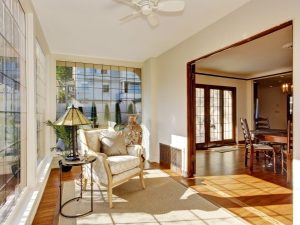
 Before comparing home addition proposals in Buda, TX, homeowners should settle the basic purpose, layout priorities, site constraints, and project boundaries that every contractor will be asked to price. A clear brief makes it easier to compare proposals on the same assumptions instead of trying to reconcile bids built around different versions of the project.
Ambassador Construction has operated since 2008 and brings more than 30 years of combined residential construction experience. The company is a design-build general contractor with confirmed services that include home additions, remodeling, design services, framing, decks, covered porches, garages, shops, and related residential construction.
Define What the Addition Needs to Accomplish
Start with the reason for adding space. An extra bedroom, larger living area, home office, or another use may lead to different decisions about size, privacy, circulation, storage, and utility needs. Also decide which goals are essential and which are flexible so the contractor knows what matters most if the plan changes.
Decide How the New Space Should Connect to the House
A home addition affects more than the new room itself. Door locations, hallways, existing rooms, rooflines, exterior walls, and everyday traffic through the home can all influence the design. Before requesting bids, identify where you expect the addition to connect and how you want people to move between the old and new spaces.
Ambassador Construction’s design services describe a process that includes site review, schematic design, dimensions, materials, and construction documents. That kind of early planning can help clarify the addition before the construction scope is finalized.
Review the Site Before Locking the Footprint
The preferred size of an addition has to fit the actual property. Existing structures, drainage, access, utility locations, lot configuration, and local requirements may affect what is practical. Ask which conditions can be evaluated during initial planning and whether surveys, engineering, or other review may be needed.
Clarify Structural and Utility Assumptions
An addition may connect to the existing foundation, framing, roof, electrical system, plumbing, HVAC, or other building components. The exact requirements depend on the design and existing home, so proposals should state what is known, what is assumed, and what still needs verification.
Do not treat structural reinforcement, utility extensions, or equipment changes as automatic on every addition. Instead, ask how the contractor will determine whether those items are necessary and how changes discovered after further evaluation will be handled.
Confirm Permit and Design Responsibilities
Permit, setback, zoning, engineering, and inspection requirements can vary. Before comparing proposals, ask which design and permitting responsibilities are included and which may require separate services or fees.
Ambassador Construction’s remodels and additions page describes a process that includes architectural drawings, engineering review, permits, construction, and inspections. For the actual Buda project, the proposal should still identify the responsibilities and scope that apply to that specific addition.
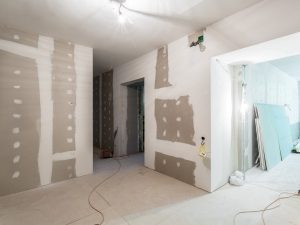 Decide How Closely the Addition Should Match the Existing Home
Exterior appearance should be discussed before final design. Some homeowners want roof shapes, siding, trim, windows, and other visible details to blend closely with the existing house. Others may accept deliberate differences when matching existing materials or forms is not practical.
The important point is to make those expectations explicit. A contractor can then explain which elements are intended to match, which may differ, and how transitions between the existing house and the addition will be detailed.
Plan for Access and Daily Disruption
Construction near an occupied home can affect parking, yard access, entrances, noise, temporary protection, and use of rooms near the work area. Ask how the site will be accessed, where materials may be staged, and whether any part of the existing home is expected to be temporarily unavailable.
If the addition is part of a larger property plan, it can also help to discuss future structures or exterior work. Ambassador Construction’s new construction services provide useful context for projects that involve garages, shops, or other new structures that may affect access or long-term site planning.
Compare Proposals Line by Line
A useful proposal should be detailed enough to show what the contractor is actually pricing. Compare design scope, site preparation, foundation and framing assumptions, utility work, exterior and interior finishes, permit responsibilities, exclusions, allowances, and the process for handling changes.
Price matters, but a lower total is difficult to evaluate if important work is missing or based on different assumptions. Before choosing a contractor, make sure each proposal is answering the same version of the project.
Home Addition Planning in Buda, TX
Ambassador Construction emphasizes personalized planning, open communication, quality craftsmanship, and dependable project management. Its design-build approach can keep design and construction decisions connected while the addition scope is developed.
Homeowners planning an addition in Buda can call Ambassador Construction at 737-268-7305 to discuss the intended space, site conditions, and next planning steps before comparing a final proposal.
Frequently Asked Questions
Do I need a permit for a home addition in Buda?
Requirements depend on the property and project scope. Confirm the current permit, zoning, and inspection requirements for the specific addition before construction begins.
What should I compare between home addition proposals?
Compare the defined scope, design assumptions, structural and utility allowances, permit responsibilities, finishes, exclusions, and process for handling changes.
Does an addition have to match the existing home exactly?
No. Matching may be preferred for some elements, but the design can use deliberate differences when appropriate. The proposal should make those expectations clear before construction.